- The Situation Room
- Posts
- The Situation Room - March 18th
The Situation Room - March 18th

Atlas News
March 18, 2026
Good morning everyone,
I’m Atlas, and welcome to The Situation Room! We cover the most high impact geopolitical developments every Wednesday!
Today’s topics:
Senior U.S. Counterterrorism Official Resigns Over Iran War
Analysis: North Koreans Infiltrating Remote Work Jobs
Dozens Dead And Over 100 Wounded In Nigerian Suicide Bombings
Senior U.S. Counterterrorism Official Resigns Over Iran War
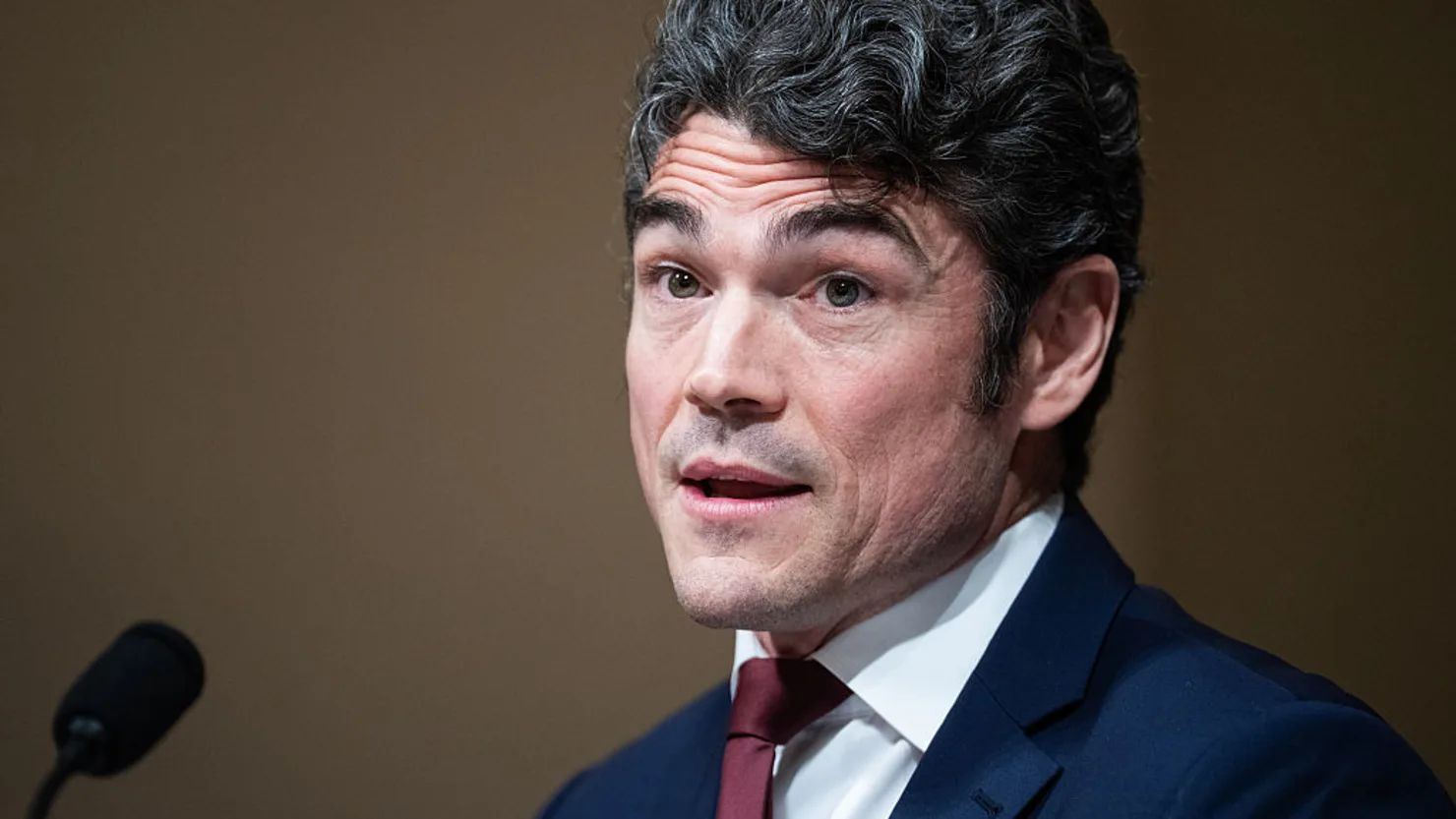
Joe Kent, director of the National Counterterrorism Center, on Dec. 11th 2025 (Tom Williams - Cq-roll Call, Inc. - Getty Images)
By: Atlas
Joe Kent resigned as director of the National Counterterrorism Center, becoming the first senior Trump administration official to leave his post over the war in Iran. In a public resignation letter, Kent wrote that he could not “in good conscience” continue serving while the United States remained engaged in the conflict. He argued that Iran posed no imminent threat to the United States and said the war marked a break from the foreign policy principles President Donald Trump had campaigned on in 2016, 2020, and 2024.
Kent’s departure was significant not only because of his rank but because of the office he led. The National Counterterrorism Center was established after the September 11 attacks and serves as the government’s central hub for terrorism analysis, interagency coordination, and maintenance of terrorist watchlist functions. As its director, Kent occupied one of the most senior positions in the U.S. intelligence structure, reporting through the Office of the Director of National Intelligence.
His resignation exposed a direct conflict inside the administration over the justification for the Iran war. The White House, congressional allies, and senior intelligence officials immediately rejected Kent’s argument, insisting that President Trump acted on what they described as strong evidence of an imminent Iranian threat.
What Kent Said in His Resignation
Kent’s resignation letter was unusually direct for a serving intelligence official. He wrote that the administration had been drawn into war by pressure from Israel and what he described as a powerful lobby in the United States. He further argued that senior Israeli officials and members of the American media had created an “echo chamber” that persuaded Trump to abandon his earlier “America First” approach and accept the premise that Iran posed an imminent danger requiring immediate military action.
He framed the decision as part of a broader pattern of U.S. entanglement in Middle Eastern wars, stating that such conflicts had consumed American lives and resources without producing corresponding national benefit. Kent said Trump had previously understood that dynamic and had, in his first term, used military force in more limited ways that did not draw the United States into a prolonged regional war. In the letter, he pointed specifically to the killing of Qassem Soleimani and the campaign against ISIS as examples of what he viewed as focused, non-open-ended uses of force.
Kent also tied his opposition to personal experience. A former Green Beret with 11 combat deployments, he has long been identified with the anti-interventionist wing of Trump-aligned national security politics. His wife, Shannon Kent, a Navy intelligence officer, was killed in a 2019 suicide bombing in Syria. In his statement, he cited that loss as part of the reason he opposed sending another generation of Americans into a war he believed was not justified by a direct threat to the country.
How the White House and Congress Responded
The administration’s response was immediate and sharp. President Trump dismissed Kent’s departure publicly, saying it was “a good thing” and describing him as weak on security. Trump said that if a senior official did not regard Iran as a threat, that person did not belong in the administration.
White House press secretary Karoline Leavitt said Kent’s letter contained false claims. She stated that Trump had strong and compelling evidence that Iran was preparing to attack the United States first, and that the president’s decision to act was based on intelligence compiled from multiple sources. Her statement rejected Kent’s suggestion that the operation had been driven by foreign pressure and argued instead that it was designed to reduce the risk to American troops and installations.
Director of National Intelligence Tulsi Gabbard, whose office oversaw Kent’s work, did not endorse his claims. She stated that the determination of what constitutes an imminent threat rests with the commander in chief and said Trump had concluded, after reviewing the available information, that Iran posed such a threat. Her statement was notable for emphasizing presidential authority rather than offering her own public judgment on the underlying intelligence.
On Capitol Hill, House Speaker Mike Johnson defended the administration’s case and said lawmakers in the “Gang of Eight” had received intelligence briefings showing that Iran was moving quickly toward greater missile capability and potential nuclear capacity. Johnson said he believed that if Trump had waited, American troops and facilities would likely have suffered mass casualties.
Not everyone in Congress agreed. Senator Mark Warner, the top Democrat on the Senate Intelligence Committee, said there was no credible evidence of an imminent Iranian threat that would justify rushing into another war of choice in the Middle East. His statement did not embrace Kent’s broader politics, but it aligned with Kent on the central question of whether the administration had met the threshold for imminent self-defense.
Kent’s Place Inside the Administration
Kent’s resignation drew attention because he was not a peripheral figure. He had been confirmed by the Senate less than a year earlier and had strong ties to the faction inside Trump’s orbit that is skeptical of foreign military intervention. He was seen as politically close to Gabbard and Vice President JD Vance, both of whom have, at various times, been associated with resistance to regime-change wars and prolonged overseas campaigns.
Before leading the NCTC, Kent had worked in military and intelligence roles and later became a Republican congressional candidate in Washington state. He lost two races for the House of Representatives but built a national profile through conservative media and anti-interventionist politics. Trump had praised him when nominating him, saying he had spent his adult life hunting terrorists and criminals and would help keep America safe.
At the same time, Kent was also a controversial figure. Democrats opposed his confirmation because of prior ties to far-right activists and conspiracy-linked rhetoric. Reports tied him to figures and movements on the far right, although he later rejected some of those associations. That background meant his resignation landed differently across Washington: to critics of the war, it was a notable internal rebuke; to others, it was easier to dismiss because of Kent’s record and political baggage.
There were also signs that Kent’s standing inside the administration had already deteriorated before he quit. One senior administration official described him as a known leaker who had been excluded from intelligence briefings months earlier and said he had not been part of Iran war planning or core discussions. Another official disputed part of that characterization but acknowledged White House complaints about him. Those accounts suggest Kent’s resignation, while politically significant, may have followed a period of internal isolation rather than a direct role in operational decision-making.
Why the Resignation Matters
Kent’s departure matters because it crystallized the central dispute over the Iran war: whether the administration acted in response to a genuine imminent threat or whether it chose to enter a conflict without meeting that standard. That question has implications beyond internal politics. Under both constitutional and international law frameworks, the imminence of a threat is central to how preemptive military action is justified.
The resignation also came at a sensitive moment for the intelligence community. Senior national security officials were already scheduled to testify before Congress on global threats, and the Iran war had become the dominant issue in Washington’s intelligence oversight discussions. Kent’s exit ensured that those hearings would take place under the shadow of a senior official publicly rejecting the administration’s core rationale for war.
Even without changing policy, the resignation added a formal internal dissent record to a war that had already divided parts of Trump’s political coalition. Kent was the highest-ranking official to step down over the conflict, and his letter created a durable point of reference for those arguing that the administration’s public case had not matched the evidence.

Reply